
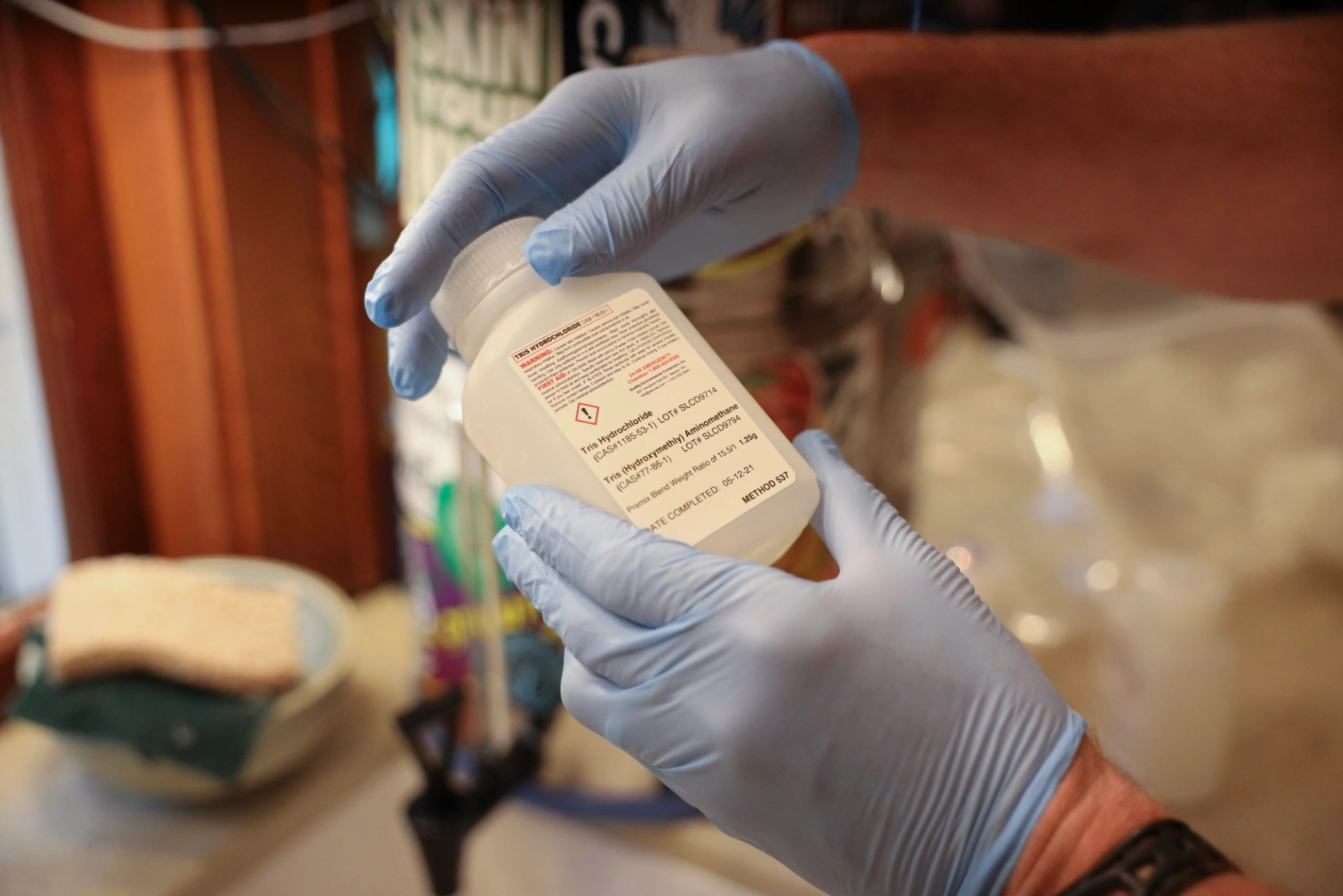
You've probably heard the term PFAS come up plenty of times in the news, but you might not know exactly what they are or where they come from. Let’s fix that.
PFAS, or per- and polyfluoroalkyl substances, are a class of more than 14,000 human-made chemicals that have been used in both consumer and industrial products since the 1940s. They’re used in making many everyday items like fabric stain protectors, food packaging, non-stick cookware, and waterproof clothing. PFAS are also used in firefighting foam, lubricants, and paint.
Most people will encounter PFAS in the food they eat and the air they breathe. It’s hard to know when you’ve been exposed to the chemicals because they are often odorless, colorless, and tasteless.
Tap water can be a main source of exposure for those who live near contaminated sites but bathing in PFAS-contaminated water is unlikely to significantly increase exposure, according to the U.S. Centers for Disease Control and Prevention. A 2015 CDC study found PFAS in the blood of 97% of Americans.
The Potential for Harm
PFAS can accumulate in the environment and our bodies. The compounds don’t easily break down, which is why they are often referred to as “forever chemicals.”
There is still much that has yet to be discovered about PFAS and research is ongoing. Because there are so many kinds of PFAS, researchers face an immense challenge in studying the chemicals and their effects.
But studies have shown that exposure to certain levels of PFAS may lead to increased risks of cancer, obesity, birth defects, and more adverse health effects. The EPA has recently proposed regulations for some common PFAS chemicals.
When it comes to mitigating the effects of PFAS, limiting exposure is the best course of action. This can be done through water filtration and testing, limiting fast food consumption, washing produce well before eating, and always rinsing yourself and pets off after spending time in lakes, streams, and rivers.
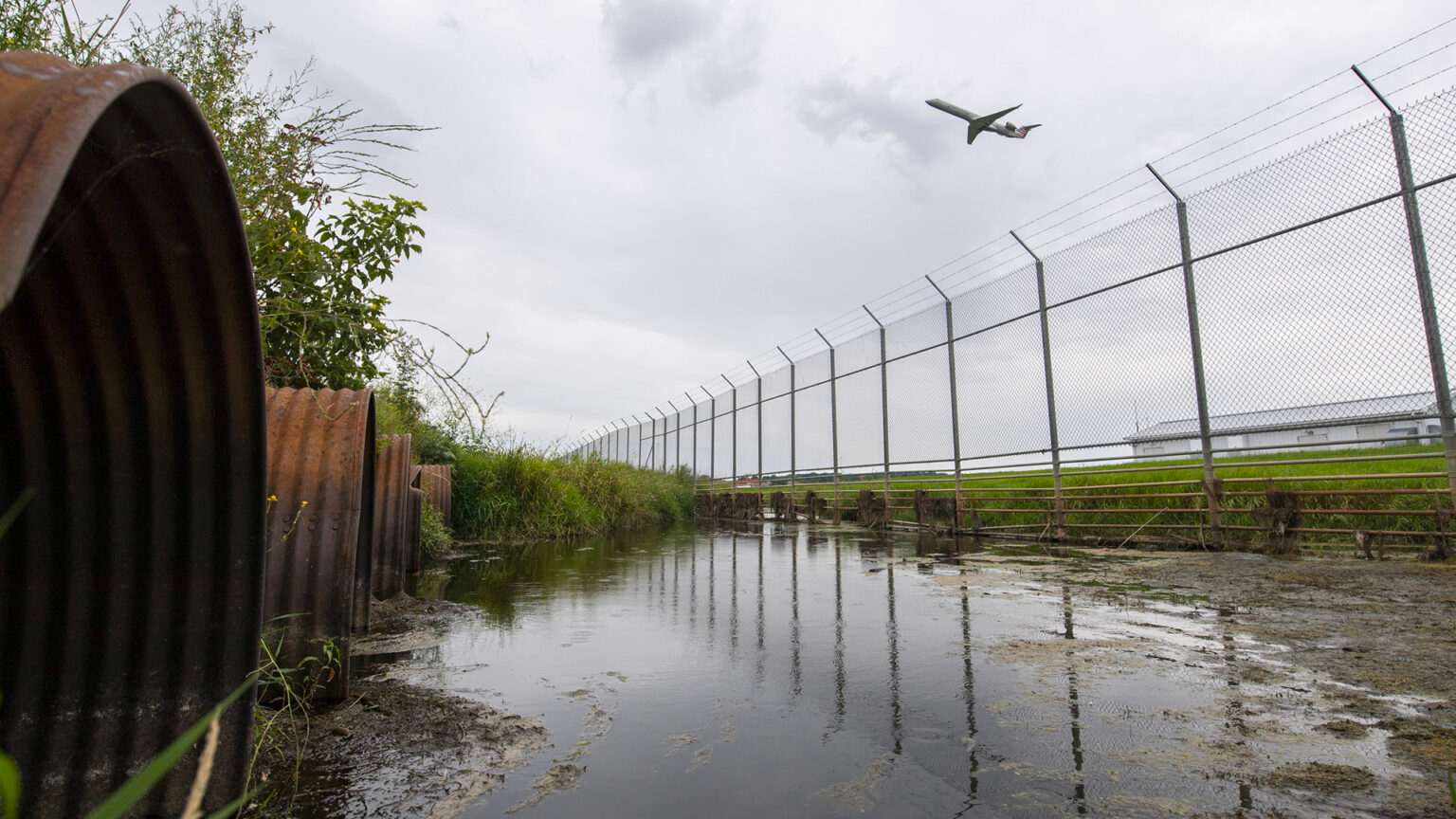
In 2019, Starkweather Creek contained higher levels of hazardous PFAS than any other waters the state tested that year. (Isaac Wasserman / Wisconsin Watch)
PFAS in Madison
Unfortunately, Madison and Dane County are no strangers to PFAS.
Surface water and fish in Starkweather Creek, Lake Monona, and several downstream lakes and rivers contain PFAS. The chemicals have also been found in soil, municipal wells, and groundwater. The city is working to remove PFAS from our drinking water, but it’s not cheap and it’s not easy.
A major known source of PFAS contamination in Madison is firefighting foam used at the Dane County Regional Airport and Truax Field Air National Guard Base. Stormwater runoff has carried PFAS-laden water into our lakes and streams.
You can use this map from the Wisconsin Department of Natural Resources to show locations throughout Wisconsin that have been impacted by PFAS.