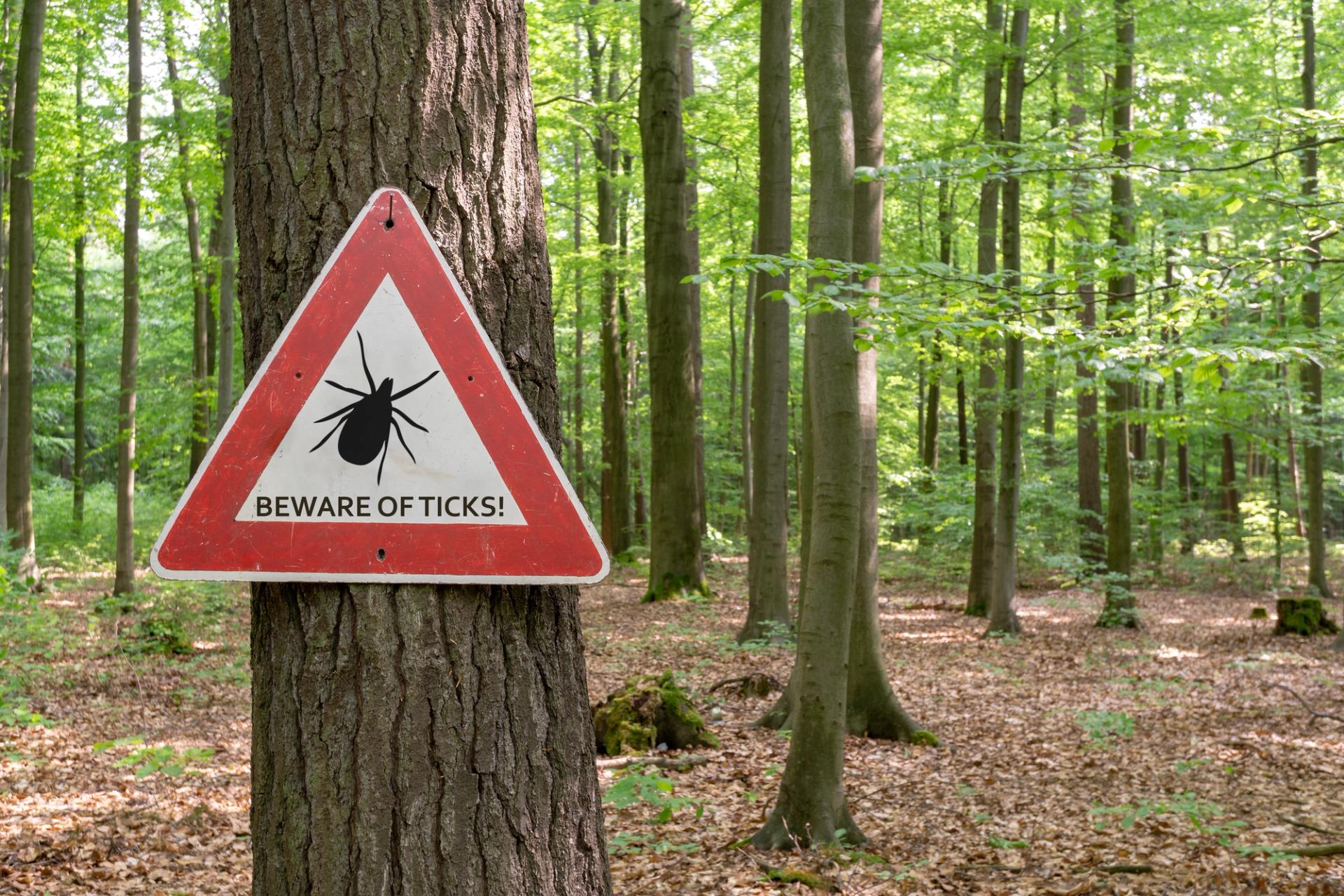
When warmer weather comes around and Wisconsinites emerge from our annual winter hibernation to enjoy all that the outdoors has to offer, another tiny creature also comes out of hiding — ticks.
The literal blood suckers are commonly found in many areas throughout the state and can spread diseases to people and animals through bites. It’s not unusual to find a tick on yourself or a furry friend after a hike or outdoor adventure, but they can be avoided. And more importantly, you can protect yourself from the illnesses ticks carry even after being bitten.
This year’s warm weather led to an early tick season. Here’s what you need to know about ticks in Wisconsin.
What Are Ticks?
Ticks are arachnids, related to spiders, mites, and scorpions, according to the Wisconsin Department of Natural Resources. There are three types of disease-carrying ticks found in the state: deer ticks, wood ticks, and lone star ticks. But nearly all tick-borne illnesses in Wisconsin are caused by the deer tick.
Ticks feed by attaching to a host — either human or animal. Ticks usually become infected with bacteria, parasites, or viruses during their first meal. That contagion is then passed on when it feeds again.
Preventing Tick Bites
Ticks live in wooded areas and spaces with tall grass or brush. They don’t jump or fly so they typically attach themselves to a host by waiting at the edge of a leaf or blade of grass in hopes someone will brush up against them.
In order for ticks to spread germs, including the bacterium that causes Lyme disease, they must remain attached to a host for at least 24 hours, according to the DNR.
Doing a tick inspection and showering within two hours of spending time outdoors can be an easy and effective way to stay safe from tick-borne illnesses.
Using insect repellent and wearing long sleeves and pants can prevent ticks from attaching to you to begin with. Tall socks and tucked in clothes can go a long way when it comes to bite prevention. Wearing light-colored clothing outside can also make ticks easier to spot.
The DNR recommends walking in the center of trails and avoiding brushing up against leaves or tall grass to prevent ticks from latching on to you. When it comes to tick prevention at home, the DNR suggests mowing lawns often, keeping wood piles away from shrubs, and using wood chips or gravel as a barrier between lawns and wooded areas.
Treatment and Recovery
If you or your outdoor animal get bit by a tick, don’t freak out.
Use tweezers to grab the tick close to the skin; pull upwards to detach it but don’t twist or yank it out. Once the tick is removed, wash the bite with clean hands and rubbing alcohol.
It can take time for symptoms to appear, so be mindful of how you feel after a bite. The Centers for Disease Control and Prevention's Tick Bite Bot can help you determine if you need to consult a doctor after a bite. The Tick App also has a host of helpful information.