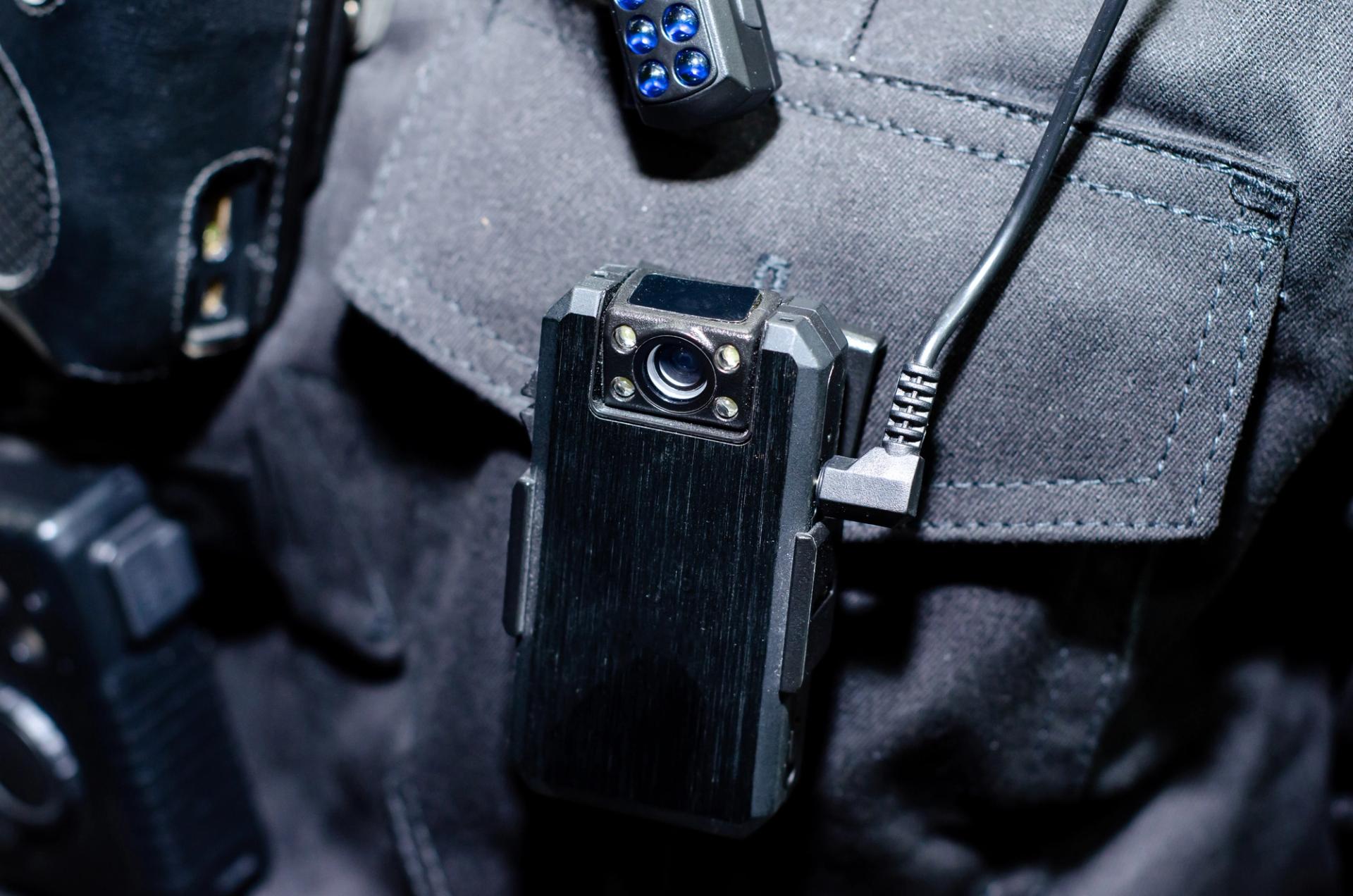
Every year the Wisconsin State Patrol Record Coordinators respond to more than 10,000 public record requests. In 2023, the University of Wisconsin Police Department received 831 public records requests. The public has a right to access this information and, for what it’s worth, the State of Wisconsin has been known to have a more open policy when it comes to accessing records. But a new law is changing the accessibility of certain records, specifically police body camera footage.
What Exactly Are Public Records?
Public records include documents and audio or visual materials that belong to the government. This can include meeting agendas, emails, text messages, birth and death records, to name a few.
This new law, Act 253, was enacted in March and allows law enforcement to charge those requesting video or audio material for redactions. When law enforcement releases body camera footage, parts often need to be redacted. This takes time and effort for police officers, many of whom claim to not have the bandwidth, which is part of the reasoning behind these redaction fees.
What Does This Mean for Those in Wisconsin?
The general consensus is that it will make it more difficult for people to get access to these materials. This is the first time in state history that people will have to pay this kind of fee for records.
Many worry that this will affect police transparency. Madison officials are also concerned that this could create an equity issue due to the scale of potential necessary payments. Requesters can apply for an exemption to redaction fees if they agree they won’t use the record “for financial gain.” However, the law doesn't lay out specifics of what exactly “financial gain” means.. And, if the requester falsely — or mistakenly— attests, they could get fined $10,000.
Want to know more? City Cast Madison’s executive producer Hayley Sperling talks with Tone Madison’s publisher Scott Gordon about what this will mean for the future of transparency.