
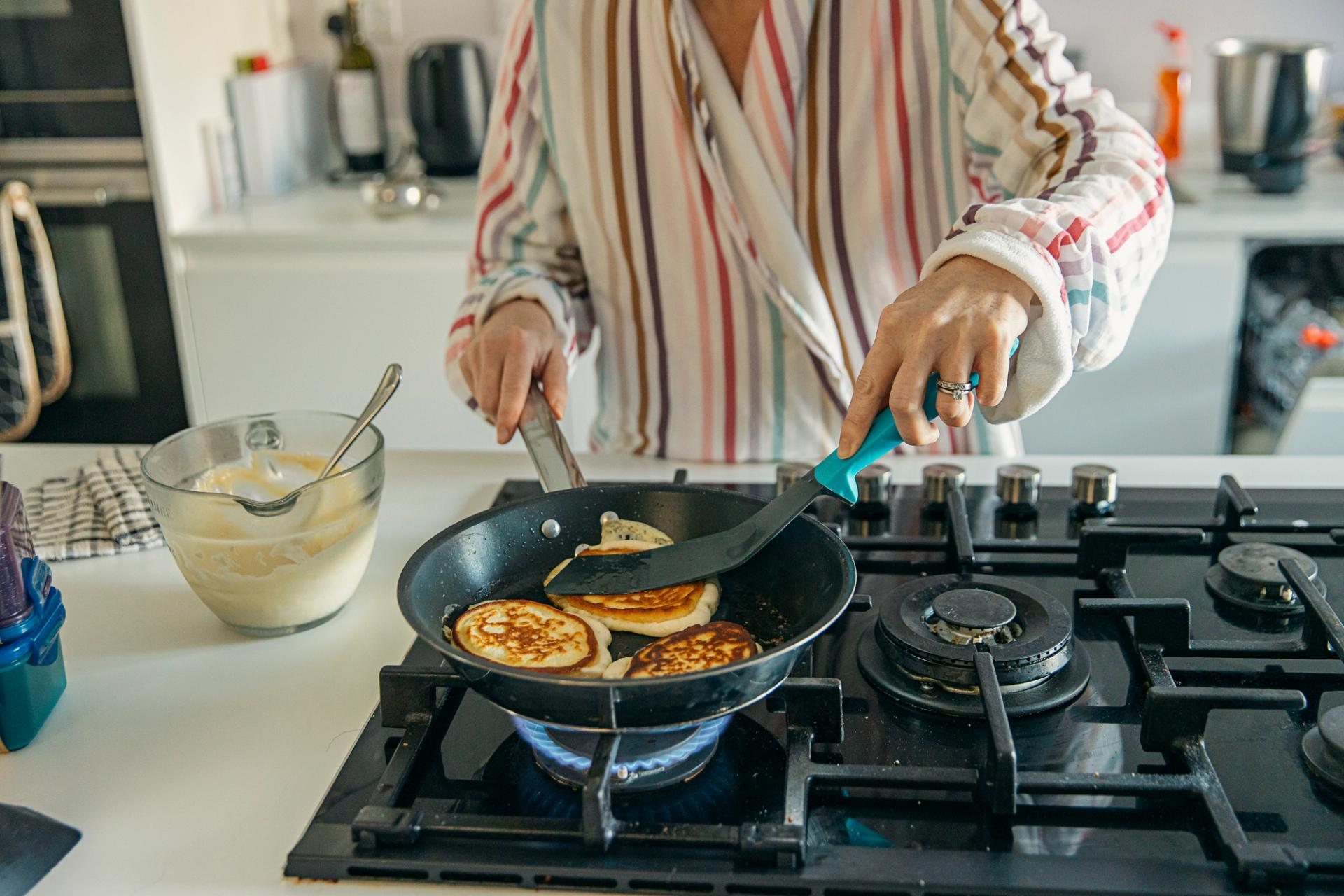
Recently, local and state governments across the nation have been grappling with what steps to take — if any — over the use of gas appliances.
In Wisconsin, GOP lawmakers attempted to pass a bill in 2023 that would protect access to gas-powered vehicles, snow blowers, lawnmowers, and other machines. Lawmakers claimed the move would protect “consumer choice” should the state ever attempt to combat climate change by shifting to new technologies.
Ultimately, Gov. Tony Evers vetoed the bill, objecting to the “Legislature’s continued efforts to preempt local control and undermine trust in local governments across our state.”
But the debate over gas appliances, particularly stoves, persists. Here’s what you need to know.
Are Gas Stoves Bad?
Natural gas stoves emit greenhouse gasses that affect the planet, but it’s the health effects that could be more concerning, according to The Conversation. Nitrogen dioxide, a byproduct of gas stove use and an air pollutant, can worsen or trigger respiratory illness like asthma.
What If You Have a Natural Gas Stove?
Here’s what The New York Times recommends:
- 🪭 Creating more ventilation when you cook by turning on a range hood, opening windows, or adding a fan.
- ⏲️ Using your stove for less time or cooking with other appliances.
- 🎛 Switching to an electric or induction stove.
Are Natural Gas Stoves Cheaper?
In terms of upfront costs, electric and gas stoves are similarly priced, while induction stoves might have a higher premium, USA Today reported. It can also be more cost-effective to set up a gas stove in a building that's already outfitted for gas appliances. Gas tends to cost slightly less than electricity for ongoing payments.
A couple of years ago, the federal government launched a program to fund rebates for home energy and efficiency upgrades. Refunds aren’t available in Wisconsin yet but the state was awarded $149 million in funding for the project and is currently in the design phase.
Hey Chicago newsletter editor Sidney Madden contributed to this article.