It seems like it’s become a standard topic of conversation during a Wisconsin summer: What did you do last weekend? Where did you go? And how many mosquito bites did you get?
Anecdotally, it feels like the pesky little critters are really having a moment this year. But do the numbers back that up? On the City Cast Madison podcast today, host Bianca Martin chats about this summer’s swarm with Lyric Bartholomay, the UW-Madison professor and co-director of the Midwest Center of Excellence for Vector Borne Illness.
If the podcast doesn’t entirely scratch your itch for information about mosquitos, here’s some more info on these insects and how to deal with them.
Are the Mosquitos Really Bad This Year?
I mean, they’re not good. The truth is that this is actually a pretty typical year for mosquitos in Wisconsin if you look at long-term trend lines. But it seems worse because the last two summers were really dry, and the drought meant fewer mosquitos. This year has had a more normal rainfall amount, which has meant more mosquitos.
The good news is that the insects usually start petering out around mid-July. The bad news is that continued rainfall can extend that lifespan — and there’s rain in the forecast later this week and next week.
Do They Carry Disease?
Mosquitos are the primary carriers of West Nile Virus, who spread the disease by feeding on infected birds and then feeding on humans and other animals. Mosquitos may also carry other illnesses such as the Jamestown Canyon Virus and La Crosse Encephalitis Virus.
However, the mosquitos that usually carry viruses do not thrive on rainfall, and have actually been washed out of town by all the precipitation. That leaves just our current floodwater mosquitos, which are mostly a nuisance.
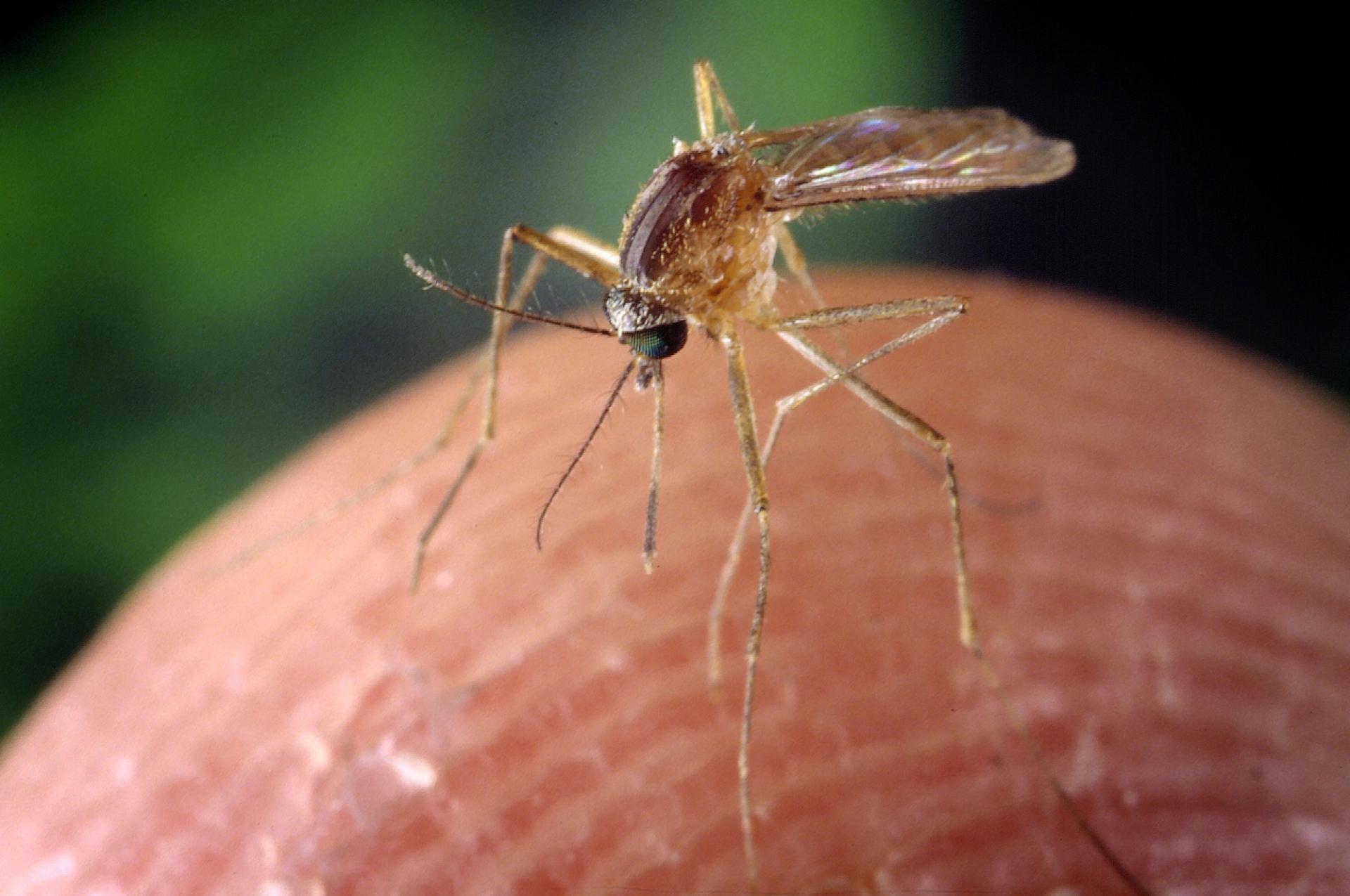
After two relatively dry summers that were inhospitable for mosquitos, this rainy summer has been a boon for the little critters. (Smith Collection / Gado / Getty Images)
How Do I Protect Myself?
The best way is to not get bitten in the first place. Mosquitos tend to be most active around dawn and dusk, so if you’re going to be outside during those hours and not moving around much, bring out a box fan and create a breeze that will literally blow bugs away.
If you’re moving around, wear long sleeves and long pants to protect your skin. Use an EPA-approved insect repellent.
To keep eggs from hatching on your property, make sure to empty or change any standing water that can be a breeding ground for female mosquitos to lay their eggs. Flower pots, folds in tarps, buckets, and recycling bins are all good places to check.
What If I Get Bit?
If you get bit, wash the area thoroughly with soap and water. If it becomes itchy or begins to swell, apply an ice pack. An over-the-counter itch cream or an antihistamine cream can also help with swelling.