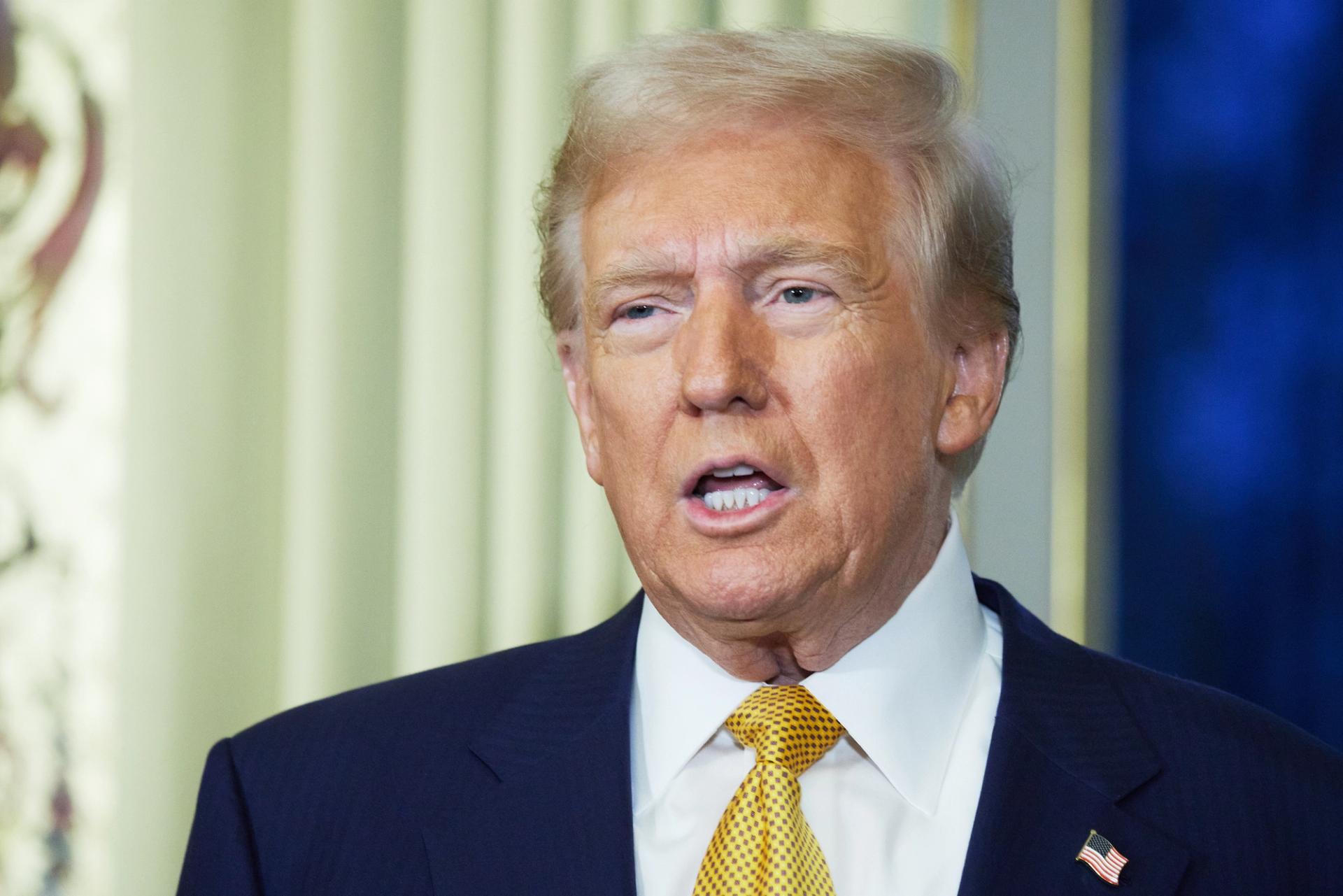
On Jan. 20, Donald Trump will return to the White House as the 47th president of the United States. Here’s how his election could impact Wisconsin in different ways, from Madison’s transportation infrastructure to the LGBTQ+ community.
BRT and Infrastructure
Madison benefited from a windfall in federal funding championed by the Biden administration for projects such as passenger rail and mass transit. Officials are now preparing for an uncertain future, and are hopeful that $100 million in federal funding earmarked for a north-south extension of the Bus Rapid Transit line will survive an incoming Trump administration and a GOP-controlled Congress. Federal funding for several other road projects, such as an overhaul of John Nolen Drive, is already locked in.
Birth Control and Women’s Health
Fears that an incoming Trump administration will add more restrictions to reproductive health care have prompted Wisconsin women to take steps now, health care providers say. Calls to Planned Parenthood of Wisconsin doubled in the days after the election, and some doctors have received calls from patients stocking up on medication like birth control.
LGBTQ+ Rights
Madison’s LGBTQ+ community, and especially transgender people, are anxious that a second Trump presidency will roll back their rights, local advocates like the OPEN Foundation say. The Trump campaign made anti-trans ads a major part of its strategy, and Wisconsin’s GOP-controlled Legislature has put forth several bills that would restrict transgender rights, such as banning gender-affirming care for minors, all vetoed by Democratic Gov. Tony Evers.
Immigration
Fear of Trump’s promises to conduct mass deportations of undocumented immigrants is already sparking fear in Wisconsin’s immigrant communities. Evers said this week he would do whatever he can to fight those plans, including preventing Wisconsin National Guard members from participating in those deportations.
Trade and Tariff Policy
Trump has pledged on his first day in office to institute 25% tariffs against Mexico and Canada. That could pose serious risks to Wisconsin’s manufacturing sector, which relies heavily on trade with those two countries, according to a new Badger Institute report.
Equipment manufacturers in the state could pay more for parts they import, and other countries could impose retaliatory tariffs that would make it harder for Wisconsin companies to export their products.